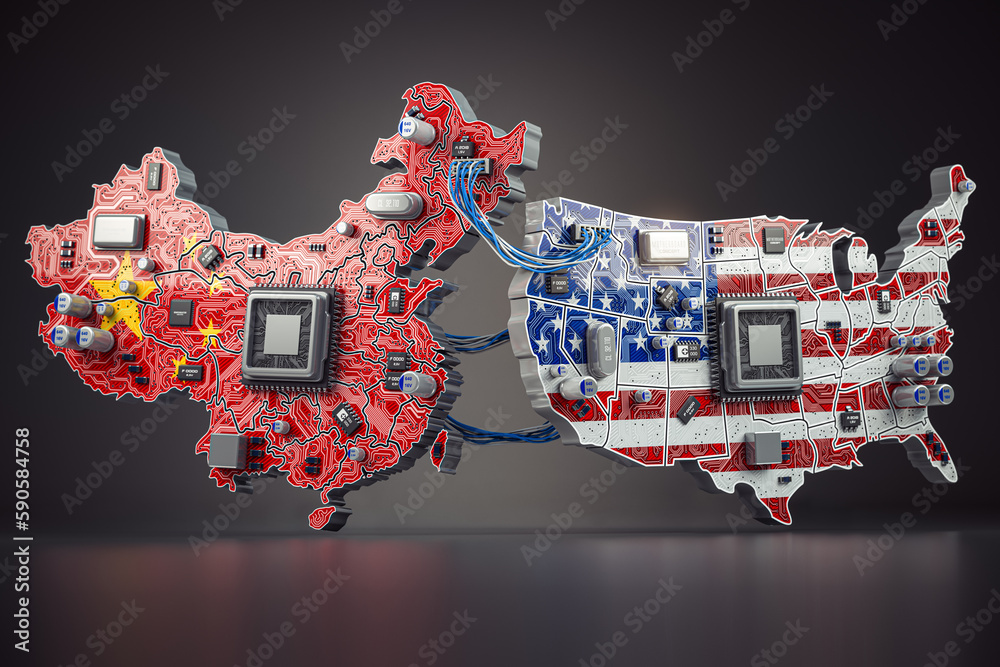
A data centre is not just a warehouse of blinking lights. It is the core of everything digital. Every Netflix binge, every photo in your cloud, every tap on your phone runs through these modern factories. From eBay to hospitals, from tax departments to government agencies, nothing works in the digital age without them.
That is why New York Governor Kathy Hochul’s year-long moratorium on new data centres is such a self-defeating move. Citing higher utility bills, water use, and noise, she is freezing the infrastructure of the future while New Yorkers keep using data every single day. You cannot ban New Yorkers from streaming movies, using social media, banking online, or making Zoom calls. The data still has to go somewhere. Blocking new builds does not stop demand. It just hands the advantage to competitors.
Left-wing politicians quickly piled on. Senator Bernie Sanders, turning a technical issue into class warfare, cheered the ban. He boasted that his own moratorium idea, once called radical, is now mainstream. He insists AI must benefit all of humanity, not just a handful of Big Tech billionaires. Never mind Sanders’ own multimillionaire lifestyle with three homes. In practice, this approach means less investment, fewer jobs, worse services, and American innovation falling behind.
Senator John Fetterman cut through the noise in two words: China wins. That is the real cultural divide. While American progressives obsess over perceived threats from tech success, Beijing is ready to seize the lead. Data does not respect state borders. If New York or anywhere else bans the factories of tomorrow, the digital economy will simply move elsewhere.
Contrast that with Alberta, where Meta is investing more than $13 billion in a new AI-optimized data centre, its first in Canada. The project will create thousands of construction jobs, hundreds of permanent high-paying roles, and tens of millions in local infrastructure upgrades. It will run on 100 percent renewable-matched power with a closed-loop liquid cooling system that uses zero operational water. Alberta is not wringing its hands over lost opportunities. It is positioning itself as a winner in the global tech economy.
Meta’s $13 billion Alberta data centre shows private investment thrives when government gets out of the way—no handouts, just jobs and real growth.
Meanwhile, Manitoba Premier Wab Kinew abruptly cancelled a major data centre project over vague, conspiratorial fears about surveillance. There is no evidence, just paranoia. Shutting down the building where processing happens will not stop cookies, terms of service, or online tracking. It is like blaming the farm because your steak was undercooked. The real result is lost investment, lost jobs, and a missed chance for the province.
At the federal level, the Liberals, with Mark Carney pulling strings in the background, have been silent. No congratulations on the Alberta win. No push for innovation. Just indecision while the world advances.
Legitimate concerns exist around AI, including job displacement and privacy. History offers optimism. Two hundred and fifty years ago, 90 percent of North Americans worked on farms. Today it is around 2 percent. The rest found new work that was unimaginable then. We should be techno-optimists while managing real risks.
But much of the opposition falls into three groups: hardcore anti-industry activists who oppose any development, natural skeptics wary of Big Tech’s power and past mistakes, and those who simply want the West to lose ground to China. The last group is not against data centres. They are against American and Canadian success in this space.
Meta’s Alberta project addresses many practical concerns with its own power generation, minimal water use, and community benefits. Legitimate issues around zoning and transparency can be solved without conspiracy theories or economic surrender.
The choice is clear: build, create, and compete, or hand the future to adversaries because politicians are distracted by scare campaigns and class envy. Where leaders welcome investment, data centres bring jobs, opportunity, and technological strength. Where they yield to activists or petty politics, competitors abroad win. That is not progress. It is surrender.